More eyes.
More evidence.
Fewer unknowns.
UrsiQ is designed around a simple premise: wildlife monitoring becomes more useful when you can observe more of the field, more of the time—and intelligently reduce all of that information to the moments that actually matter.
When a bear appears near a school, a trail or a community, the next decision matters. UrsiQ keeps watch and turns fleeting activity into clear evidence—helping you understand what’s happening and decide what to do next.
From the first camera image to the alert on your phone, every part of UrsiQ works together. Intelligent cameras and local processing gather and assess activity in the field; UrsiQ Core connects those observations with deeper analysis, notifications and a lasting record. Explore how that system helps you see more, miss less and keep watching when conditions change.
MORE.
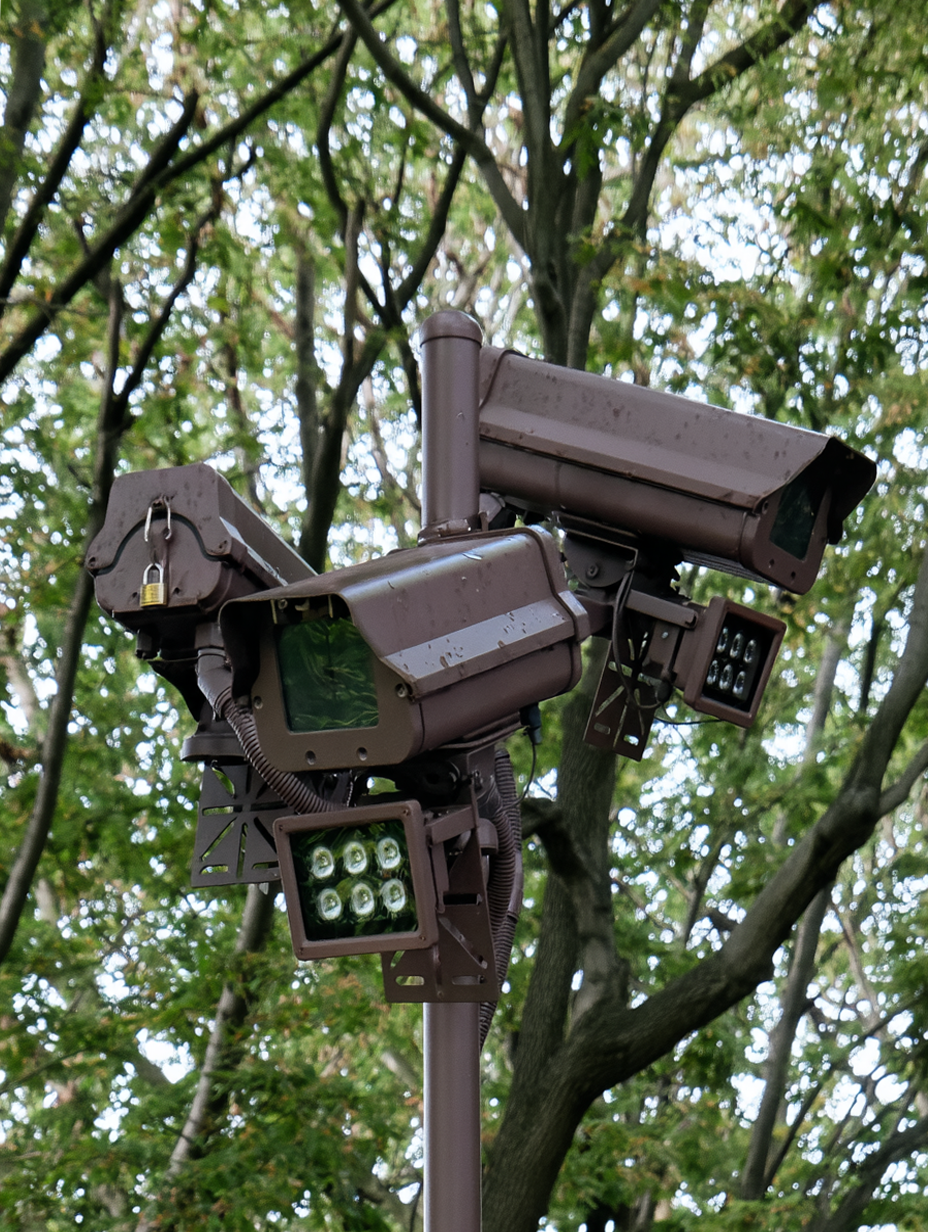
Video sees what a still image can’t.
Wildlife doesn’t arrive on a schedule. UrsiQ cameras watch continuously and without compromise, maintaining a relentless visual record through changing light, weather and activity. The goal is to cast the widest practical net: capture the still images and video that may matter before a fleeting moment can disappear.
A still image can be persuasive—and wrong. What appears to be an animal may reveal itself in motion as nothing more than a patch of windblown vegetation. What looks like an unremarkable shadow may, across the surrounding frames, resolve into a momentary glimpse of a bear moving behind dense foliage. Video supplies the before, the after and the movement between them.
UrsiQ treats that video as evidence to be analyzed, not simply footage to be stored. By comparing hundreds of frames, it can test an apparent sighting against motion, changing viewpoints, gait and behavior. This brings a new level of precision to detection: far fewer false positives, and a much better chance of finding the difficult edge cases that a conventional camera system would leave unseen and undetected.
One frame suggests. Video reveals.
Every camera learns its own site.
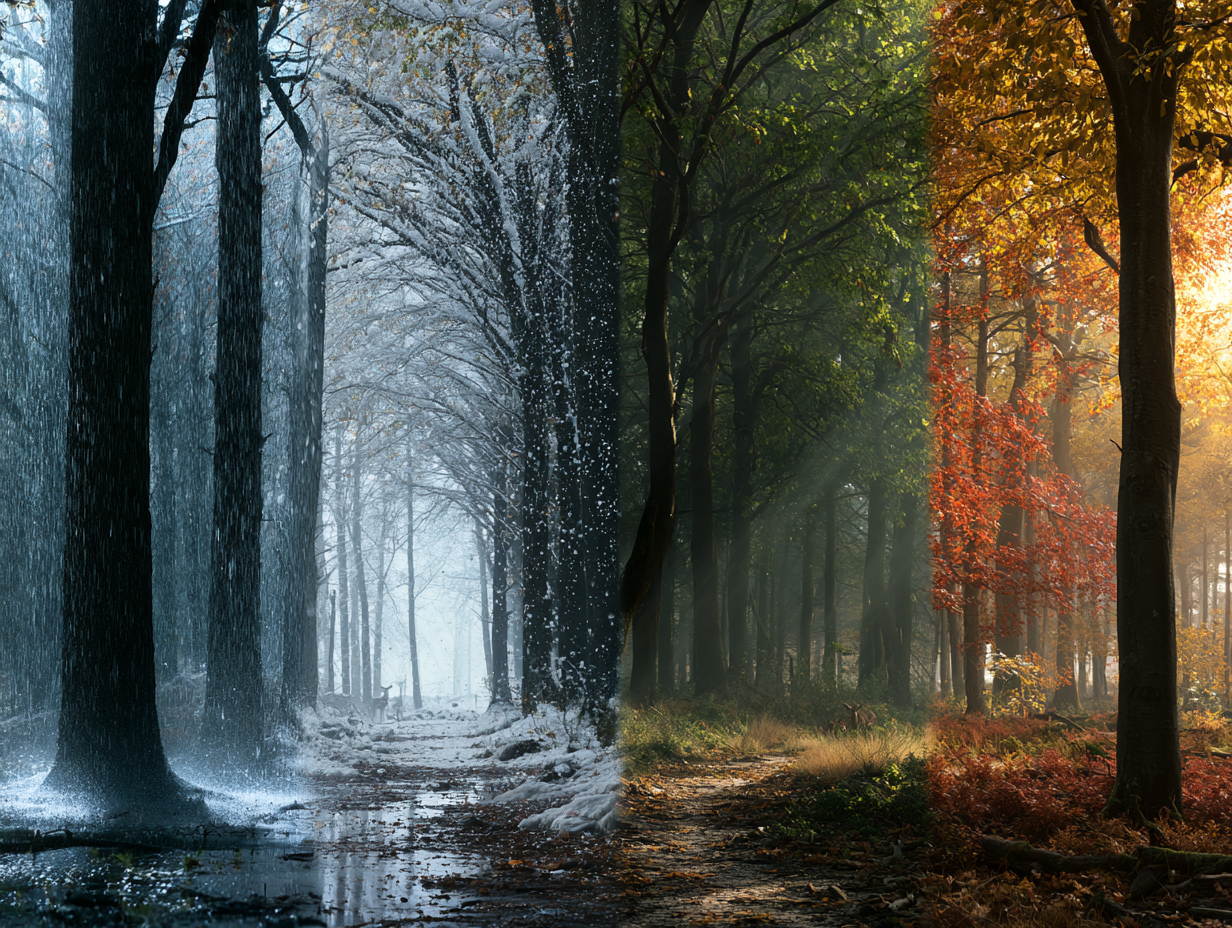
A camera looking across a windswept coastal field shouldn’t behave exactly like one looking into a dark forest. IntelliSense—UrsiQ’s adaptive sensing system—continuously adjusts how each camera observes its surroundings.
Light, shadow, vegetation movement, weather, recent activity and the camera’s own detection history can all influence how aggressively UrsiQ samples and what deserves further analysis. The goal isn’t simply to process less. It’s to spend finite power, bandwidth and computation where they produce the most useful observation.
Each camera can also be tuned specifically for its site. UrsiQ supports extensive internal configuration so that the system can be optimized after installation and refined as conditions change.
LESS.
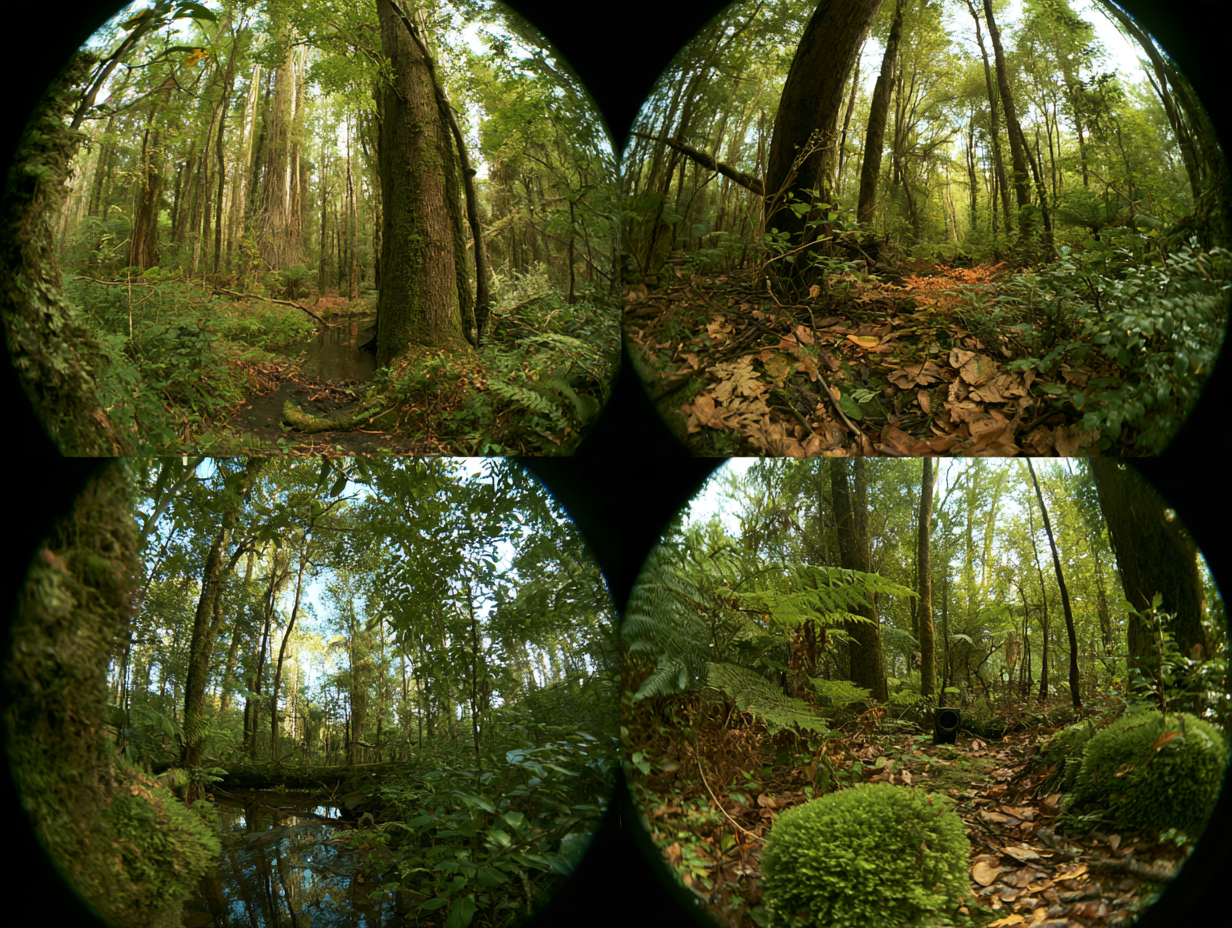
Wildlife doesn’t pose for the camera.
UrsiQ compensates with persistence. A typical three- or four-camera installation can examine tens of thousands of image samples every day while simultaneously maintaining continuous video coverage.
Instead of asking a single trigger to make the final decision about whether something interesting happened, UrsiQ builds a dense observational record and progressively filters it. That approach increases the chance of preserving the brief, imperfect or distant encounter that a conventional system might never see.
Six stages between “something moved” and “this matters.”
UrsiQ’s detection architecture is deliberately progressive. Fast, inexpensive processing handles the enormous volume of routine field observations first. Increasingly sophisticated analysis is applied only as the evidence warrants it, with still imagery, video and independent analytical methods brought together before important identifications are treated as sightings.
That architecture lets UrsiQ be exhaustive about looking without being noisy about speaking.
UrsiQ is deliberately asymmetric: exhaustive about looking, selective about speaking.
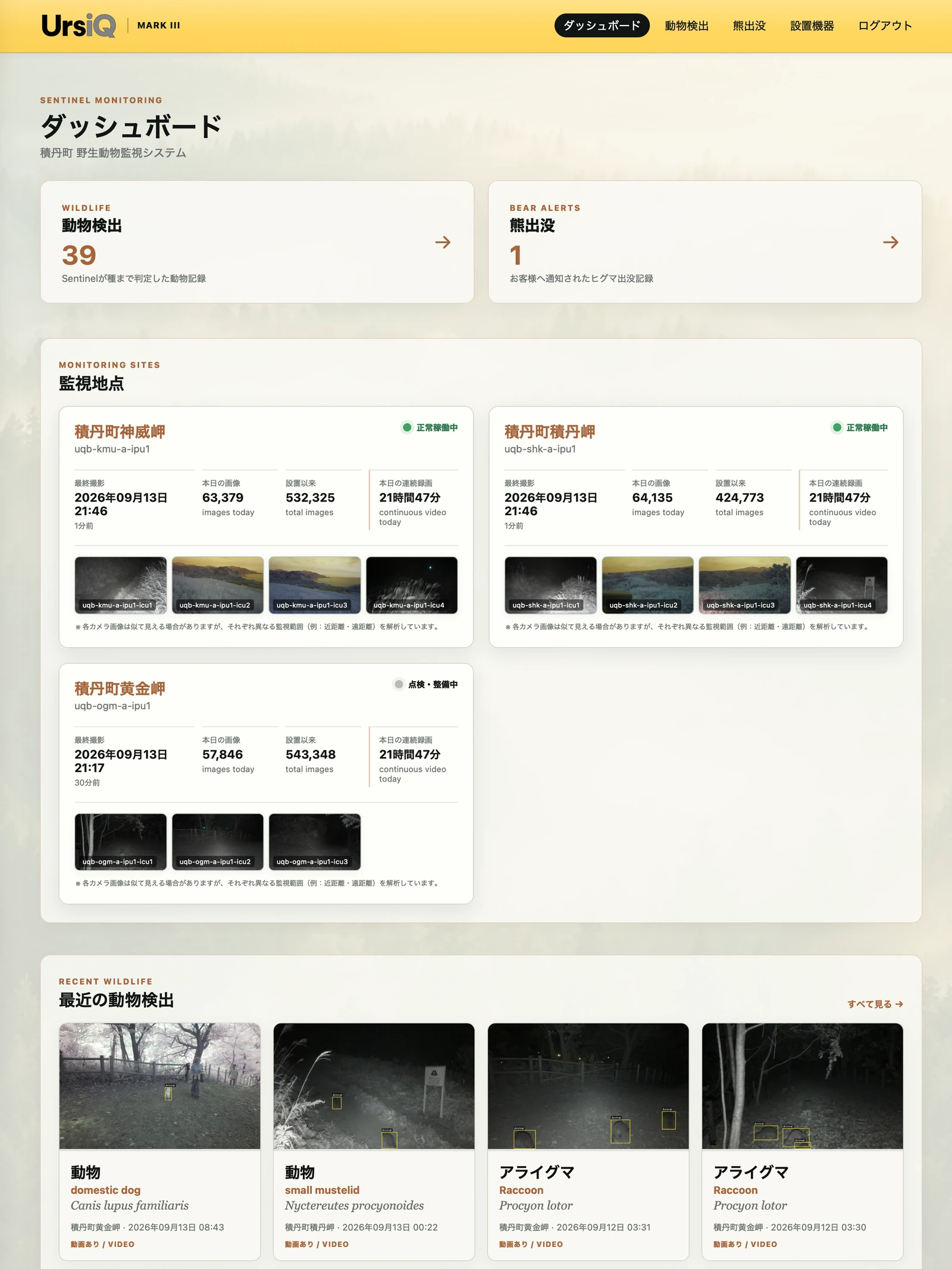
From field capture to useful information in seconds.
When an observation requires attention, UrsiQ carries it from field evidence through identification and notification inside one coordinated system. Under normal operating conditions, alerts can reach customers within seconds of identification.
The customer-facing interface presents the result rather than the machinery behind it: wildlife sightings, marked still images, encounter video, alerts, site status and current camera views. Notification policies can be configured for the customer and the application.
UrsiQ is equally comfortable looking for a single priority species or several species at once. The same platform can also be configured to identify people or vehicles when a site has security or property-monitoring requirements.
Detections are fleeting. But data is forever.
Every significant wildlife encounter becomes structured data, not merely a JPEG in a folder. A UrsiQ sighting can be characterized by more than 100 parameters and associated records describing the observation, its circumstances, the analytical process and the evidence retained with it.
Over time, that turns UrsiQ into more than an alerting system. It creates a growing wildlife record that can support seasonal comparisons, movement analysis, site planning, research and future analytical tools.
The original imagery and video remain connected to the observation, preserving a human-readable record alongside machine-generated data. Extensive timestamping and logging make the path from field capture through processing, classification and notification auditable after the fact.
Use the infrastructure you have.
UrsiQ is designed to operate across the spectrum from a fully connected commercial-power site to an isolated field installation with no permanent network connection.
AC + Wi-Fi
With commercial power and network access, UrsiQ operates continuously at full capacity with live synchronization to UrsiQ Core.
Solar or battery + cellular
Remote installations can retain full-capacity monitoring and server connectivity using local power and mobile data.
Local processing
UrsiQ can continue monitoring locally and synchronize accumulated observations when connectivity becomes available. Stored data can also be retrieved manually.
Field hardware is designed around simple, robust installation on standard tankan pipe. A typical installation is light enough to reposition without specialized lifting equipment, making it practical to adapt coverage as wildlife patterns or site requirements change.
WATCHING.
Robust monitoring, no matter what.
Remote systems shouldn’t assume that the network will always be there. UrsiQ is designed with explicit failover modes so that losing a mobile-data connection, losing contact with the server or running low on local resources changes how the system operates rather than simply making it stop.
Field + Core
Full-density capture, distributed analysis, synchronization and near-real-time notification.
Local
Capture and local processing continue on the IPU. Evidence and results are retained locally.
Endurance
UrsiQ progressively reduces observation density to preserve useful monitoring for as long as possible.
Recovery
Queued observations synchronize and server-side processing and notification resume as appropriate.
Loss of connectivity merely changes how UrsiQ works. Where other systems falter, UrsiQ takes interruptions in stride and keeps monitoring.
THAN
BEARS.
One platform, many jobs.
UrsiQ began with brown-bear public safety, but its architecture is intentionally flexible. Species, notification policies and operating priorities can be configured around the job rather than around a single fixed use case.
Public safety
Bear monitoring around communities, schools, roads and public facilities.
Tourism
Evidence for decisions about trails, parks, viewpoints and visitor facilities.
Agriculture
Monitor bears, deer, raccoons and other wildlife around fields and livestock.
Property
Wildlife, person and vehicle detection for remote facilities and equipment.
Research
Persistent, structured wildlife observations with retained imagery and video.
Wildlife management
Long-duration observation of species presence, movement and behavior.
The people who build it are the people who improve it.
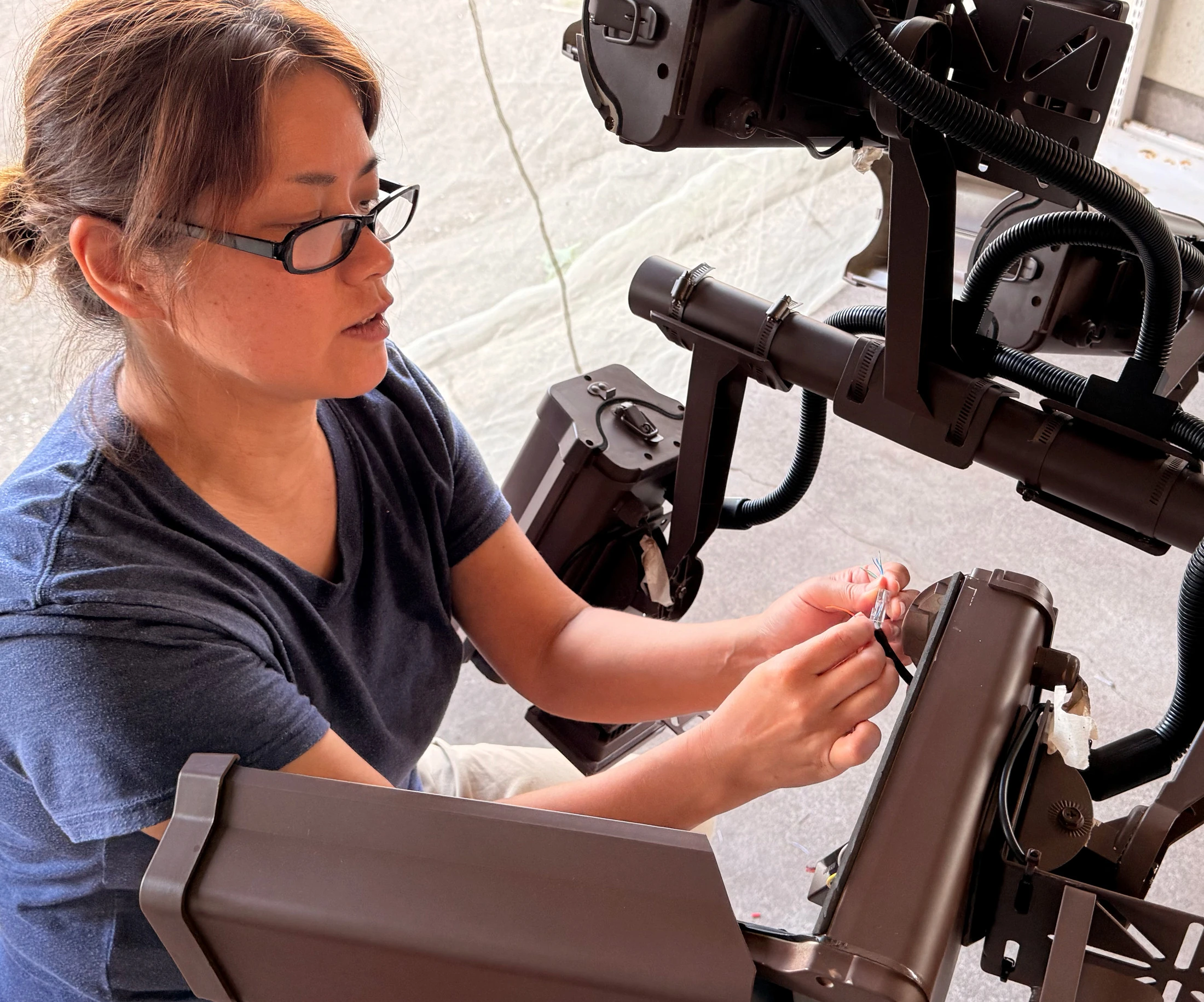
UrsiQ is developed and built in Hokkaido in the same kinds of environments where it’s expected to work. That means ruggedness isn’t an abstract laboratory requirement; weather, wind, cold, darkness, vegetation and difficult field access are part of the design process.
Verbium controls the field hardware, camera software, IPU software, UrsiQ Core, detection pipeline and customer interface. Improvements don’t have to travel through layers of unrelated suppliers, and customers have unusually direct access to the people making the product.
That also makes UrsiQ unusually adaptable. If an installation needs something the platform doesn’t do today, our first question is often not “Is that supported?” but “Would that make UrsiQ better?”
More observation.
Less uncertainty.
UrsiQ combines exhaustive field coverage with progressively selective analysis so that customers can focus on the information that matters. The complexity remains inside the system. The evidence comes out the other side.
Ask about UrsiQ for your site →